
If you have been following health news lately, you may have seen some concerning articles about the health risks associated with PFAs (per-polyfluoroalkyl substances). While more people are making an effort to avoid these substances, most of our patients don’t realize that PFAs can be found in dental floss.
This article will highlight important research and seek to provide some guidance on whether it’s safe to continue using your favorite dental floss. As periodontists, we believe that the health of your gums matters most, but we also care deeply about our patients and want to ensure that our advice supports your overall health.
What are PFAs, and why are they in floss?
PFAs are often called "forever chemicals" because they don't break down easily in the environment or the human body. In dental floss, they are primarily used in the "glide" or "satin" varieties by brands that focus on making floss that’s more efficient or convenient for users.
Why are PFAs in floss? The answer is simpler than you might think - PFAs make the floss slippery. Slippery floss fits between teeth more easily and makes flossing more enjoyable for people whose teeth are close together.
Are the PFAs in floss dangerous?
Current research on the specific amount of PFAs absorbed through flossing is still evolving and few conclusions can be made definitively. While some studies have found higher levels of certain PFAS in the blood of people who use specific brands of coated floss, the American Dental Association (ADA) maintains that floss remains a safe and essential part of oral hygiene.
However, if the idea of using a synthetic coating makes you uneasy, that stress probably is not worth the benefits provided by dental floss that glides through your teeth a bit more easily.
Our opinion: Buy the floss you will use
We are gum health professionals, and the most common problem we see isn’t related to a specific brand of floss - it’s gum inflammation and tissue decay. Failing to floss leads to plaque buildup, which can lead to gingivitis and eventually periodontal disease (gum tissue and bone decay).
It’s important to keep things in perspective - periodontal disease has been linked to heart disease, diabetes, and other serious health issues. So while PFAs in dental floss may or may not cause health problems, periodontal disease all but assures serious issues down the road.
The health risks of gum disease are well-documented and potentially life-threatening if left untreated. The risks of PFAs in floss are still being studied and may be less serious when compared to gum disease.
How to Choose Your Floss Wisely
All that being said, it does make sense to choose a PFA-free dental floss if you don’t have a strong preference for the “glide” or “satin” varieties. It’s understandable to be worried about chemicals and you have plenty of fantastic, PFA-free options:
• Natural Waxed Floss: Look for brands that use beeswax or carnauba wax instead of synthetic coatings. Dr. Tungs is a well known brand that is PFA-free.
• Unwaxed Floss: This type of floss is typically made of nylon. It can be a bit grippy, but it’s as pure as it gets.
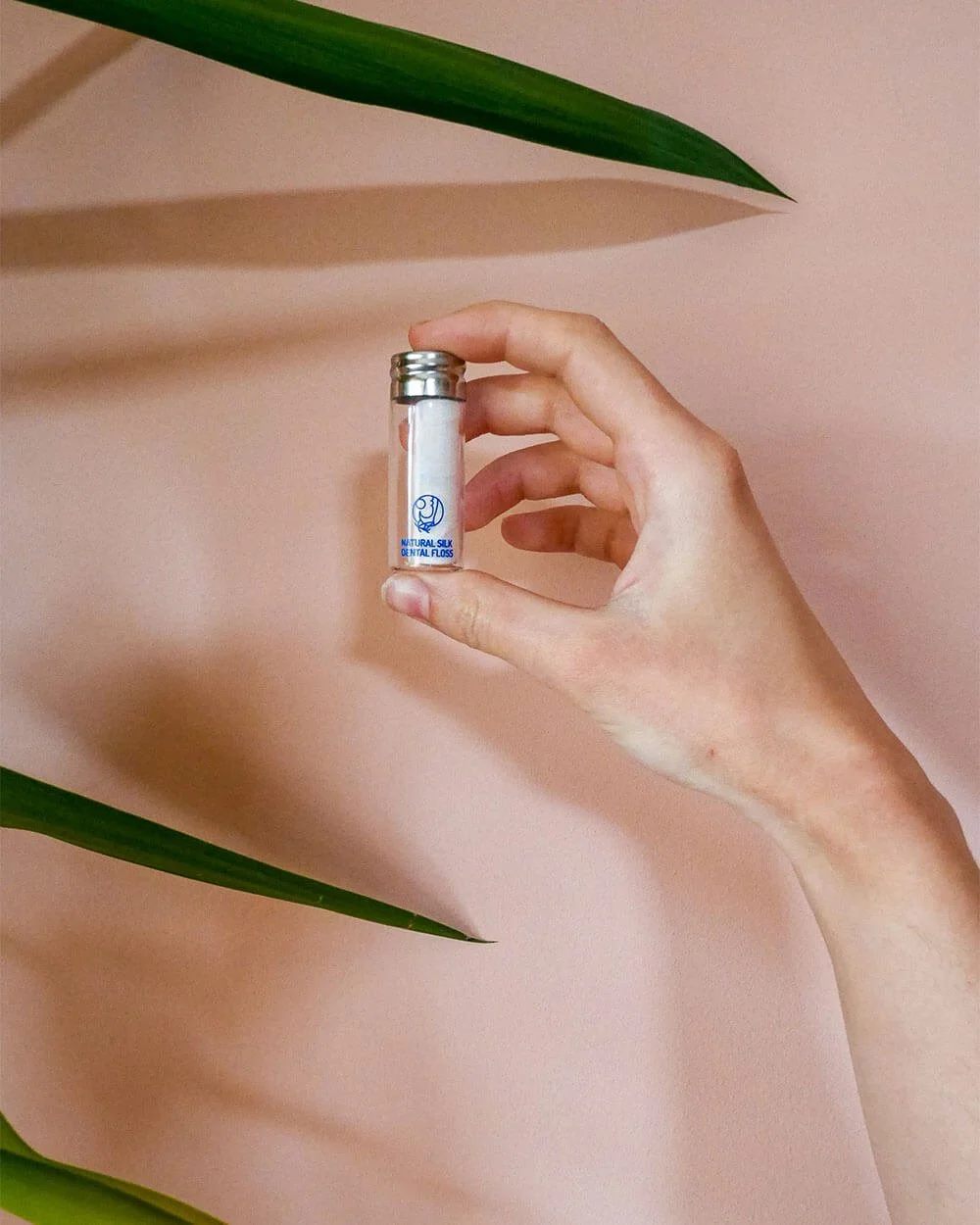
• Silk Floss: A biodegradable, natural alternative that works perfectly well. Radius makes a popular version of silk floss.
• Interdental Brushes: If you don’t like string floss altogether, these tiny brushes can be just as effective at removing plaque. Just remember to select PFA-free brushes.
• Water Flossers: Using a stream of pressurized water is another way to clean between your teeth. While not as effective as dental floss, using a water flosser is better than nothing and does not expose you to chemicals.
Make your dental health a priority
We certainly understand wanting to be as healthy as possible, but don’t let fear of PFAs stand in the way of cleaning your teeth. If you love your easy-glide floss and it’s the only thing that keeps you flossing, keep using it. If PFAs may stop you from flossing, swap your existing floss for a natural version today. There are many great natural options that will leave your mouth as clean as ever.
Want to talk through your options? Schedule an appointment today and we will help you create a dental health routine that fits your goals and individual concerns.